Token Generator Platforms Explained: How Anyone Can Create a Token for Real-World Use
Blockchain technology is no longer defined by complexity or exclusivity. In 2025, the most impactful Web3 tools are not the most technical ones—but the most accessible.
By shinrey9 ·
In this article
- Tokens Have Become Product Components
- What Is a Token Generator?
- Token Maker vs Token Creator: Why Multiple Terms Exist
- Why Token Generators Replaced Manual Token Development
- Practical Reasons to Create a Token Today
- How a Token Generator Works Step by Step
- Common Token Creation Challenges
- What Makes a Token Generator Professional-Grade?
- 20Lab: A Token Generator Designed for Practical Builders
- Creating a Token with the 20Lab Token Generator
- No-Code Token Creation and Web3 Adoption
- Token Generator Use Cases Across Industries
- Security and Trust in Token Creation
- Where Token Generators Are Heading
- Final Thoughts: Token Creation Without Friction
Blockchain technology is no longer defined by complexity or exclusivity. In 2025, the most impactful Web3 tools are not the most technical ones—but the most accessible. One of the clearest examples of this shift is token creation. What once required advanced programming skills, security audits, and weeks of development can now be achieved in minutes using a modern token generator.
As tokens evolve into practical digital components rather than speculative instruments, the ability to create a token has become a valuable capability for founders, creators, agencies, and product teams. This article explores how token generators work, why they are now essential infrastructure, and how platforms like 20Lab are shaping the future of token creation.
Tokens Have Become Product Components
Tokens are no longer experimental assets created purely for trading or fundraising. Today, they are used as programmable building blocks inside digital products. In many modern applications, tokens function as:
Access keys for platforms or features
Units of value within closed ecosystems
Incentives for user participation
Governance instruments for communities
Digital representations of usage or rights
As tokens become embedded in products, businesses need tools that allow them to create tokens reliably and efficiently—without deep technical involvement.
What Is a Token Generator?
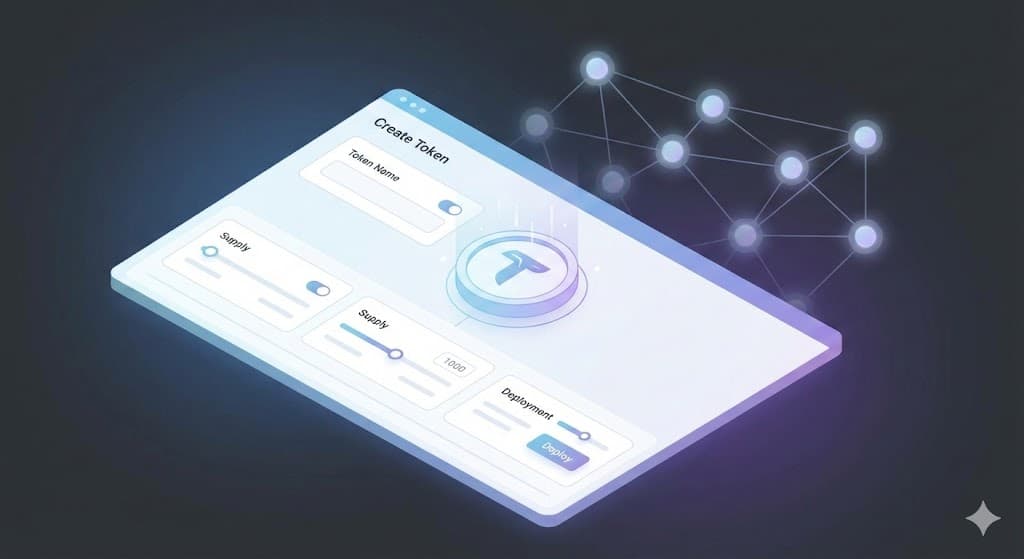
A token generator is a platform that automates the creation and deployment of blockchain tokens. Instead of writing smart contract code manually, users configure token parameters through a guided interface. The platform then deploys the token using standardized, pre-built contract logic.
Most token generators allow users to define:
Token name and symbol
Total supply and decimal precision
Ownership and administrative rights
Blockchain deployment settings
Once deployed, the token exists on-chain and can be integrated into wallets, applications, and Web3 services immediately.
Token Maker vs Token Creator: Why Multiple Terms Exist
The terms token generator, token maker, and token creator are often used interchangeably, but they highlight different aspects of the same process:
Token generator emphasizes automation and infrastructure
Token maker focuses on simplicity and speed
Token creator highlights customization and ownership
Modern platforms combine all three concepts, offering tools that are easy for beginners but reliable enough for production use.
Why Token Generators Replaced Manual Token Development
Manual token development still has its place for highly customized protocols. However, for most real-world use cases, writing smart contracts from scratch introduces unnecessary risk and cost.
Token generators offer clear advantages:
Rapid deployment timelines
Lower development and maintenance costs
Reduced risk of coding errors
Standardized, predictable token behavior
For startups and growing teams, these benefits often outweigh the flexibility of custom development.
Practical Reasons to Create a Token Today
The motivation to create a token in 2025 is typically practical rather than speculative. Organizations use tokens to solve real problems and unlock new capabilities.
Common reasons include:
Product Utility
Tokens unlock access to features, tools, or content.
Engagement Incentives
Reward users for activity, loyalty, or contributions.
Community Governance
Enable voting, proposals, and decentralized coordination.
Internal Digital Economies
Support credits, points, or usage-based systems.
Fast Validation
Test Web3 ideas quickly without major investment.
Token generators make all of these strategies achievable without requiring blockchain engineers.
How a Token Generator Works Step by Step
Behind a simple user interface, token generators manage a structured technical workflow:
The user defines token properties
The platform applies those properties to a standardized contract template
The smart contract is compiled
The token is deployed to the blockchain
Ownership is assigned to the creator’s wallet
By automating this process, a token creator removes friction and minimizes deployment errors.
Common Token Creation Challenges
Even with modern tools, token creation requires thoughtful planning. Common challenges include:
Unclear token purpose
Poorly chosen supply or distribution models
Misconfigured ownership or permissions
Overengineering token features
A high-quality token generator helps users avoid these issues through guided configuration and sensible defaults.
What Makes a Token Generator Professional-Grade?
Not all token generators are equal. A reliable platform should offer:
Standardized Smart Contracts
Based on widely accepted blockchain standards.
Transparent Ownership
Creators must clearly retain control over the token.
Simple User Experience
Designed for non-technical users.
Scalability
Tokens should remain functional as projects grow.
Web3 Compatibility
Seamless interaction with wallets and blockchain networks.
These factors separate professional token makers from experimental tools.
20Lab: A Token Generator Designed for Practical Builders
20Lab is built for founders, creators, and teams who want to create tokens without unnecessary complexity. Instead of focusing on hype or speculative launches, the platform prioritizes usability, predictability, and real-world application.
20Lab treats token creation as a structured product step—making it approachable even for non-technical users.
You can explore the platform here:
👉 https://20lab.app/
Creating a Token with the 20Lab Token Generator
The 20Lab Token Generator allows users to configure and deploy tokens through a guided, no-code process. Users define token parameters, review the setup, and deploy the token on-chain without writing smart contract code.
This approach is ideal for:
Startup MVPs
Utility tokens for applications
Community and governance tokens
Agencies delivering Web3 solutions
The token creation flow is available at:
👉 https://20lab.app/generate/
No-Code Token Creation and Web3 Adoption
No-code token creators are accelerating blockchain adoption by lowering entry barriers. When token creation becomes accessible:
More ideas reach production
Costs and risks decrease
Innovation spreads beyond developers
Token generators now play a foundational role similar to website builders in the early internet era.
Token Generator Use Cases Across Industries
A flexible token generator can support a wide range of industries:
SaaS and Digital Platforms
Usage credits, subscriptions, access tokens.
Gaming and Virtual Worlds
In-game currencies and reward mechanics.
Creator Economy
Membership, loyalty, and fan engagement tokens.
Education
Certificates, credentials, and achievements.
DAOs and Communities
Governance and coordination tools.
The same token maker can power all of these use cases efficiently.
Security and Trust in Token Creation
Security remains a critical factor when creating tokens. A professional token generator improves security by:
Reducing manual coding errors
Using standardized, predictable contract logic
Making ownership and deployment transparent
This approach helps build trust with users and partners.
Where Token Generators Are Heading
Token generators continue to evolve alongside Web3 infrastructure. Future developments may include:
Advanced tokenomics configuration
Multi-chain deployment options
Built-in governance modules
Compliance-aware token settings
Platforms that focus on usability and reliability today are best positioned for future growth.
Final Thoughts: Token Creation Without Friction
The ability to create a token is no longer reserved for developers or large organizations. Modern token generators transform token creation into a clear, repeatable process that supports innovation rather than slowing it down.
A professional token maker like 20Lab empowers founders, creators, and teams to launch tokens confidently and efficiently. As Web3 adoption continues to expand, token generators will remain essential infrastructure for building decentralized products and digital economies.